Get flat 10% OFF on your first order! Call Us 9150001111
Menu
Ceylon Cinnamon
We Deliver the Finest Quality Cinnamon in the World from Sri Lanka
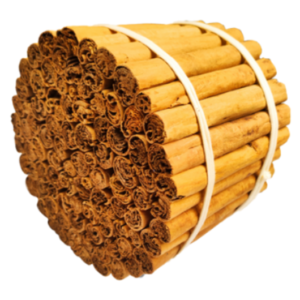
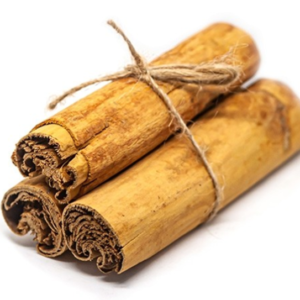
Cinnamomum Verum, called true cinnamon tree or Ceylon cinnamon tree, is a small evergreentree belonging to the family Lauraceae, native to Sri Lanka.
The inner bark of several other Cinnamomum species is also used to make cinnamon, but
Cinnamomum verum has a subtler flavor that makes it preferred for certain recipes.
Cinnamomum verum is also an excellent health booster, due to its components that serve as protection against some chronic health conditions.[4]
Quality parameters of Cinnamon
Colour
Pale brown to slightly reddish colour Ground cinnamon – yellowish to reddish brown in colour
Odour
Characteristic fresh aroma
Flavour
Delicate and sweet flavour characteristic to Ceylon cinnamon. It shall be free from foreign flavour. Including mustiness.
Moisture
Not more than 15% for quills and 12% for other grades
Volatile Oil
Minimum 1% for quills and 0.7% for other grades on dry basis.
Key Health Benefits
Rich in antioxidants
High in Anti – Inflammatory Properties
Cuts the risk of Heart Disease
Improves sensitivity to Hormone Insulin
Lowers Blood Sugar levels
Beneficial to Neurodegenerative diseases
Protects from Cancer
Fight Bacterial and Fungal Infections
May help fight viral diseases
The most healthiest spice on the Planet Earth..
How much Ceylon cinnamon should I take a day?
When taken by mouth: Ceylon cinnamon is commonly consumed in foods. It is possibly safe when used as a medicine. It has been safely used in doses of 0.5-3 grams daily for up to 6 months
Is Ceylon cinnamon better than regular cinnamon?
Both Ceylon and cassia are healthy and delicious. However, if you intend to consume large amounts of this spice or take a supplement, cassia can be harmful because of the Coumarin content. At the end of the day, Ceylon cinnamon is better quality and much safer.
How much Ceylon cinnamon should I take daily for blood sugar?
It’s probably best not to exceed 0.5–1 grams of Cassia daily, but taking up to 1.2 teaspoons (6 grams) daily of Ceylon cinnamon should be safe.